


6 Ways to Get the Most Out of Your Visit to Whitney Plantation
If you’re searching for what to expect at Whitney Plantation, you’re not alone. Many visitors want to know how to prepare for a visit to Whitney Plantation. This site is unlike any other in Louisiana. It’s the only plantation museum in Louisiana focused entirely on the lives of enslaved people.
When you step onto the grounds, you’re walking into history. But not the kind usually told. At Whitney Plantation, the stories come from the perspective of the enslaved. You’ll hear about the people who lived, worked, and resisted here. And you’ll understand the legacies of slavery that are still happening today.
1. What tour should you choose?
There are two options for visitors: You can take a guided tour with one of our trained historical interpreters or choose our award-winning, self-guided audio tour. The guided tour offers a deeper experience and one that’s offered through a slightly different lens with each interpreter you meet. Plus, our interpreters are ready to answer your questions and help you reflect. If it’s your first time, the guided tour is highly recommended.
2. Slow down and take it all in.
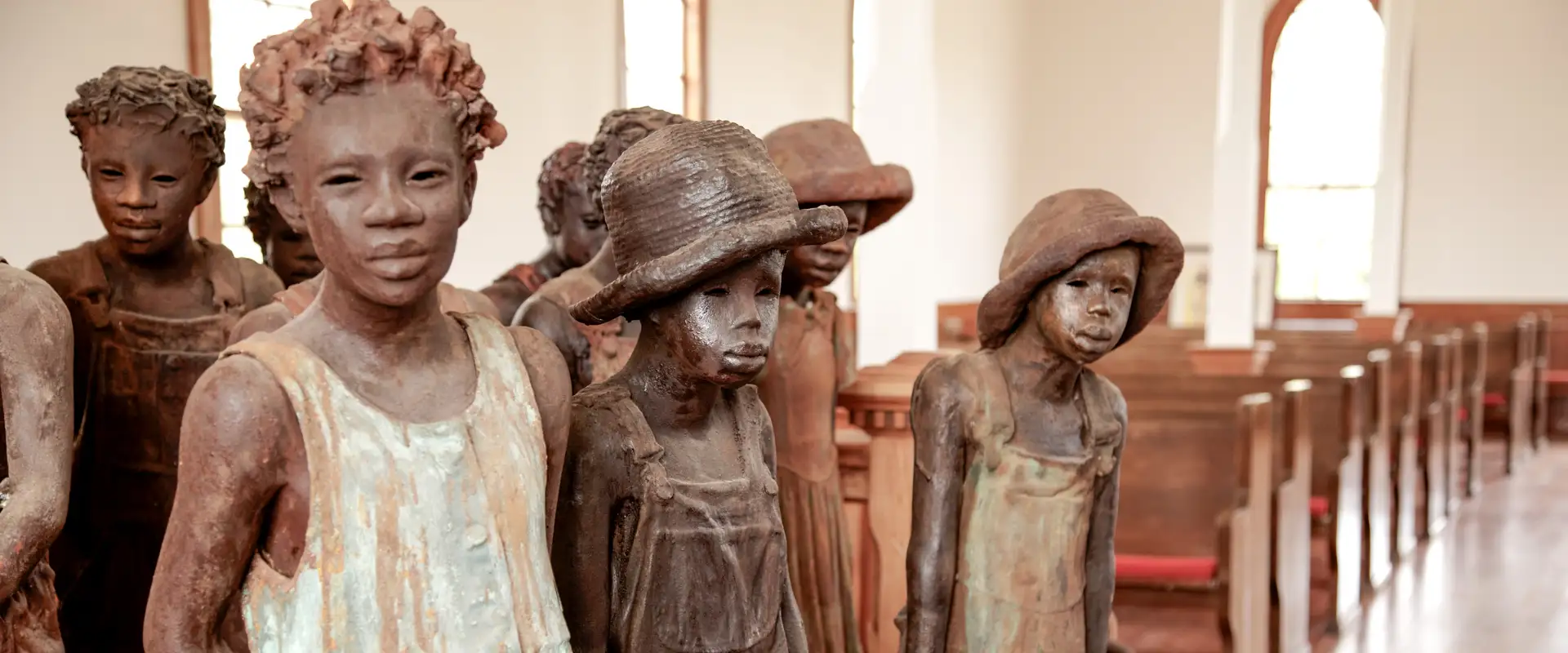
This isn’t a place to rush. Give yourself time at each memorial and structure. For example, the Wall of Honor lists the names of enslaved people who lived and worked on the plantation. The Field of Angels honors the 2,200 children who died in slavery in St. John the Baptist parish. And the Antioch Church is a quiet space for reflection.
3. Want to understand the history more deeply?
Read up before you come. Get the answers to the Top 10 Questions and Answers to Know Before You Go. Our podcast, Tilling the Soil, is a great resource. So are books like The 1619 Project and works by Gwendolyn Midlo Hall. Our Museum Shop has an expansive collection of historical resources to choose from. Understanding the transatlantic and domestic slave trade gives context to what you’ll see.
4. Learn the stories of real people.
This is not just a museum. It’s a memorial to people like Anna, an enslaved woman who was assaulted by a member of the Haydel family. Her son, Victor, lived his whole life here. And their descendant, Sybil Haydel Morial, an American civil rights activist, educator, and the first Black First Lady of New Orleans. These are the stories that stay with you.
Visitors searching for stories of enslaved people at Whitney Plantation often leave with a new perspective. This isn’t the history you learn in school. It’s personal. It’s powerful.
5. Planning your trip? Here’s what to know.
If you’re looking for educational things to do in and around New Orleans that focus on Black History, Whitney is less than an hour away. Our museum centers the experience of enslaved people with reverence and respect. We encourage you to wear comfortable shoes. Bring water. Give yourself time to sit, think, and absorb. There is a lot to see and feel.
6. Extend your visit beyond the grounds.
After your tour, consider a stop inside the museum shop. We carry books and items that help support our mission. Jewelry and gifts are all Fair Trade or made in the USA, mostly by African, African American, or Afro-creole artisans and entrepreneurs. We also support descendants as often as possible by carrying their goods in our shop.
Donate to ensure Whitney Plantation is experienced by future generations. Every gift helps others find us and learn the complex and integral part of American history.
At Whitney, we don’t shy away from the stories that are hard to tell. We center it. Because the stories of the people who were enslaved here don’t just deserve to be heard, they are essential to building a better future.
Visit. Listen. Learn. We invite you to spend the day and leave a changed person.